Dropshipping Tax Rules: A Complete Guide for Online Businesses in 2026
Dropshipping has become a popular way to start an online business because it requires low investment and no inventory management. Instead of stocking products, sellers receive customer orders and suppliers ship the products directly to buyers. Although this business model is simple to operate, understanding dropshipping tax rules is essential for staying compliant and running a successful business.
One of the first things every dropshipping business owner should consider is business registration. Depending on the size and structure of your business, you may operate as a sole proprietorship, partnership, LLP, or private limited company. Choosing the right business structure provides legal recognition and makes financial management easier as your business grows.
GST compliance is another important aspect of dropshipping. If your business falls under the applicable GST provisions or you are required to register based on the nature of your operations, obtaining GST Registration becomes necessary. Registered businesses can issue GST-compliant invoices and file GST Returns on time to avoid penalties. Understanding whether GST applies to your specific business model is important before starting operations.
Maintaining proper invoices and financial records is equally important. Every sale, supplier payment, shipping charge, marketplace fee, refund, and business expense should be recorded accurately. Good bookkeeping helps prepare financial statements, simplifies tax filing, and provides a clear picture of your business performance.
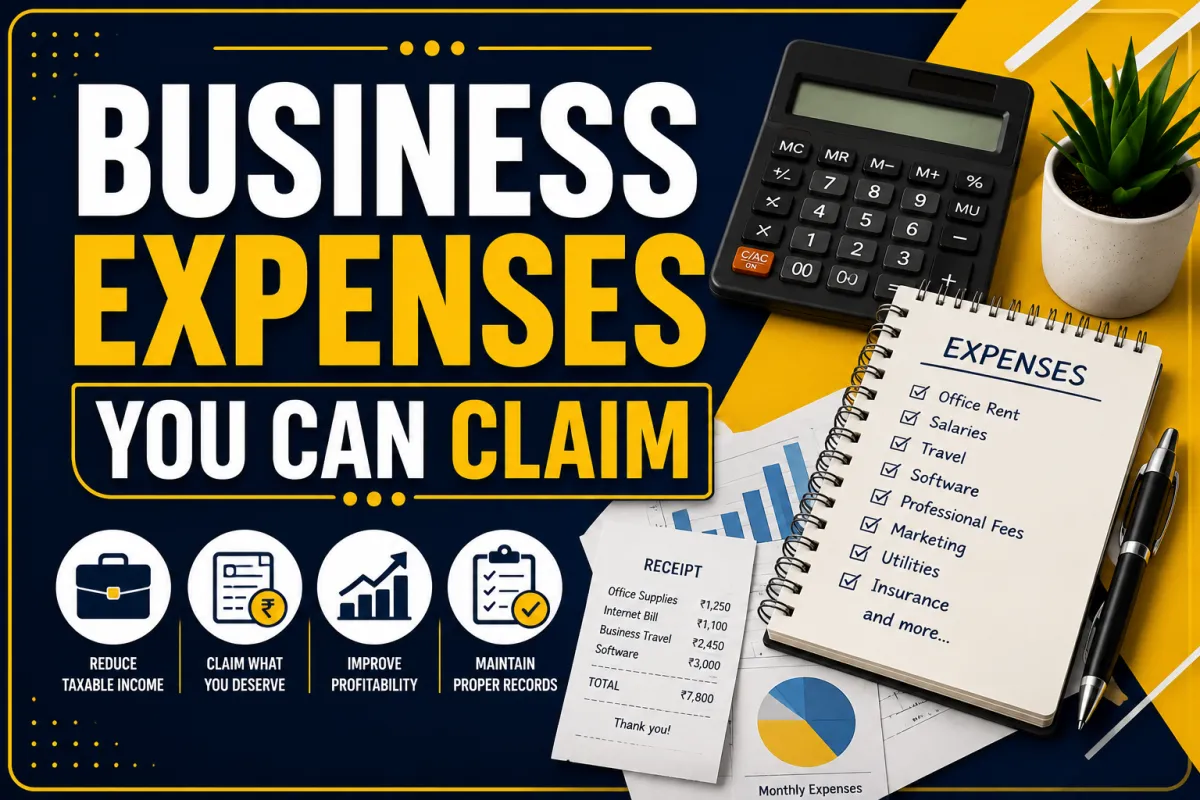
Income tax is another key responsibility for dropshipping businesses. The profits earned from your business are generally taxable under the applicable income tax laws. Maintaining organized accounts throughout the year makes it easier to calculate profits, claim eligible business expenses, and file income tax returns accurately.
If you import products from international suppliers, you should also understand the applicable customs duties, import regulations, and tax implications. Additional compliance requirements may arise depending on the source country, product category, and shipping method. Consulting a tax professional can help ensure compliance with the latest regulations.
Data privacy and customer protection should not be overlooked. Your website should clearly display a Privacy Policy, Terms & Conditions, Refund Policy, and Shipping Policy. These documents improve customer confidence while supporting legal compliance for online businesses.
As your dropshipping business grows, additional responsibilities such as TDS, payroll management, annual business filings, and financial reporting may become applicable. Reviewing your compliance regularly helps prevent penalties and supports smooth business operations.
In 2026, understanding tax rules is essential for every dropshipping entrepreneur. Proper business registration, timely GST compliance, accurate accounting, organized bookkeeping, and regular tax filing allow you to focus on growing your online business with confidence while remaining legally compliant.
Keywords: Dropshipping Tax Rules, GST for Dropshipping, Dropshipping Business India, GST Registration, Income Tax Filing, E-commerce Tax Compliance, Online Business Accounting, Bookkeeping Services, Business Registration, GST Return Filing.
Dropshipping Tax Rules: A Complete Guide for Online Businesses in 2026

Akshita tyagi
@ tyagiakshita78@gmail.com
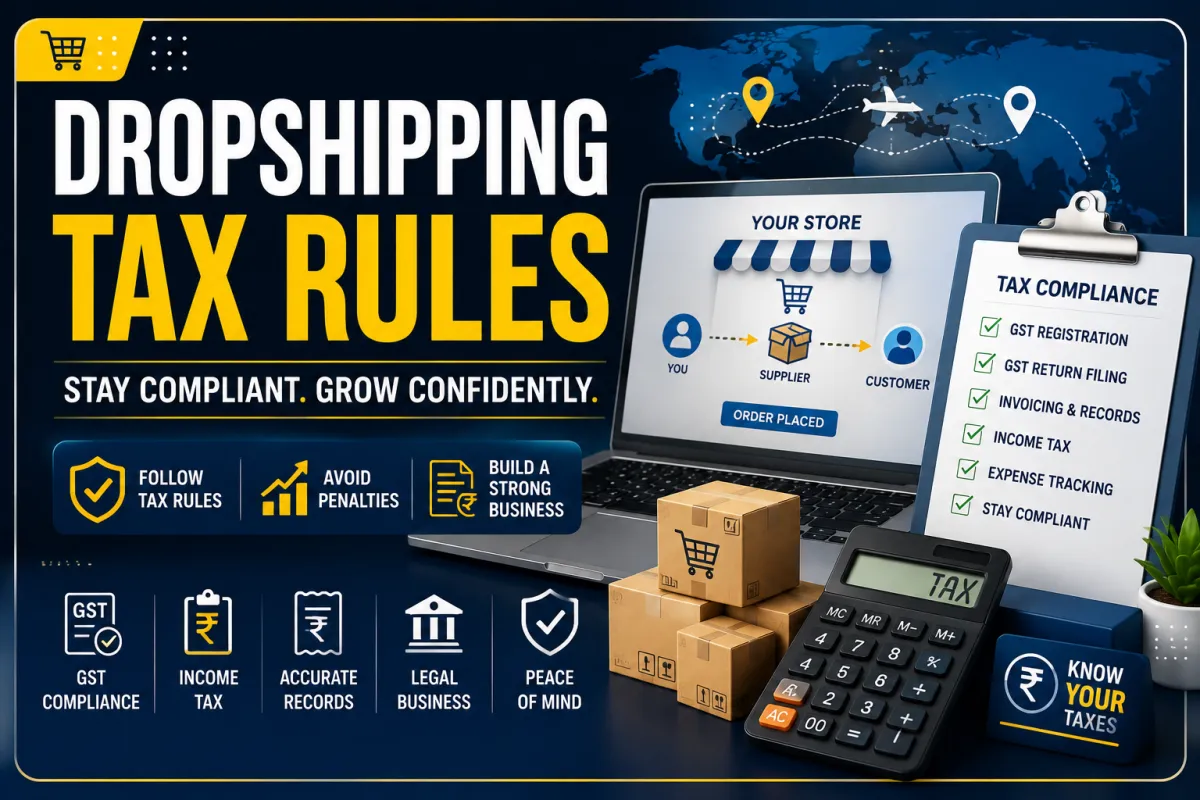
Dropshipping is one of the fastest-growing e-commerce business models, but it also comes with important tax responsibilities. Understanding GST registration, invoicing, income tax, and record-keeping helps dropshipping businesses remain compliant and avoid legal issues. This guide explains the key tax rules every dropshipping business owner in India should know.


Comments (0)
Please login to comment.