Expense Tracking: A Complete Guide to Managing Business Expenses in 2026
Every business has expenses, from office rent and software subscriptions to advertising, transportation, salaries, packaging, and professional services. While increasing sales is important, controlling unnecessary spending can have an equally significant impact on profitability. This is why effective Expense Tracking should be a regular part of business financial management.
Expense tracking involves recording and categorizing every business-related payment. Instead of keeping receipts and bills scattered across emails, messages, and physical files, businesses should maintain an organized system where expenses can be recorded as soon as they occur. This provides a clearer picture of the company’s financial position.
The first step is to separate business expenses from personal spending. Using a dedicated business bank account and payment method makes transactions easier to identify and reconcile. It also helps maintain cleaner records when preparing financial statements and tax returns.
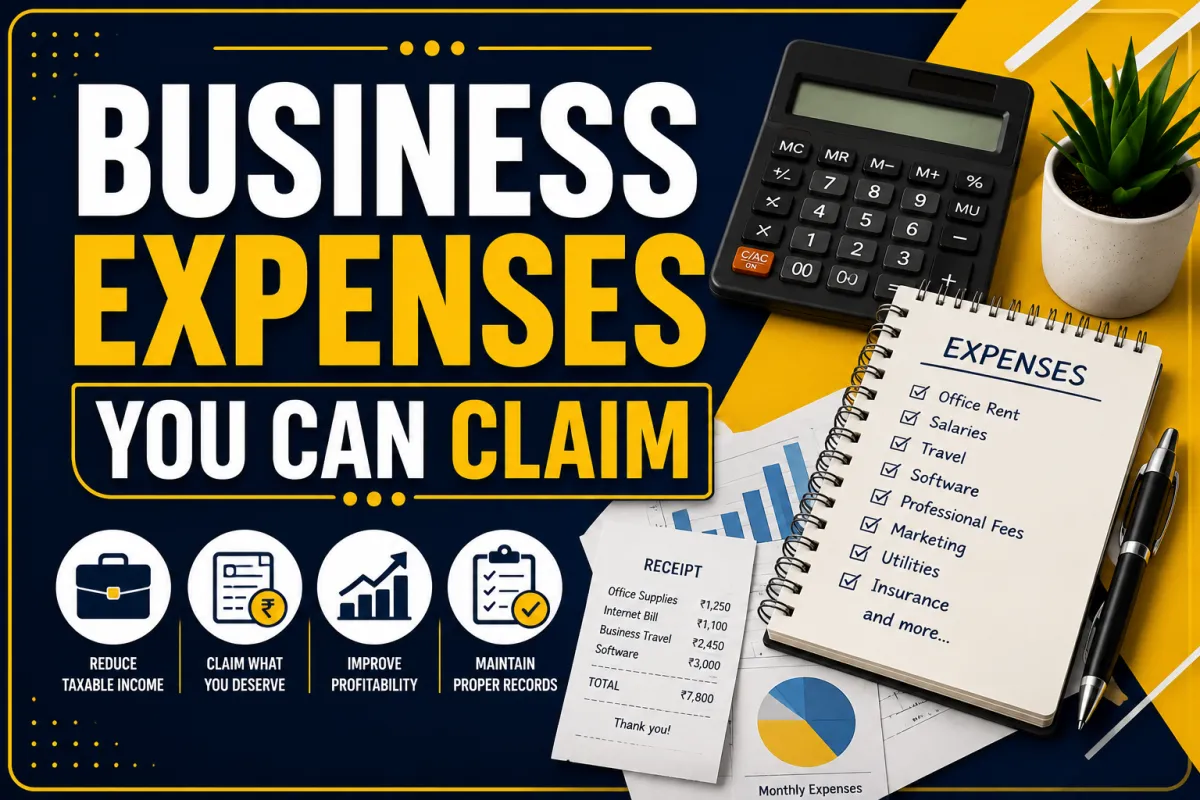
Businesses should categorize expenses into relevant groups such as rent, salaries, advertising, travel, office supplies, software, professional fees, inventory, shipping, and utilities. Proper categorization makes it easier to understand which areas consume the most money and where costs can potentially be reduced.
Keeping supporting documents is equally important. Invoices, receipts, payment confirmations, and other relevant records should be stored securely. For GST-registered businesses, proper tax invoices are particularly important because they may support Input Tax Credit (ITC) claims, subject to applicable conditions.
Regular expense reconciliation can help identify errors and missing transactions. Businesses should compare accounting records with bank and credit card statements to ensure that all payments have been recorded correctly. This process can also help identify duplicate entries or unauthorized transactions.
Technology has made expense management much easier. Modern accounting software can automatically import transactions, categorize expenses, store digital receipts, generate reports, and connect expenses with invoices. Automation reduces manual data entry and makes financial information available whenever it is needed.
Expense tracking also plays an important role in tax planning. Accurate records help businesses identify eligible business expenses and calculate taxable profits correctly. Proper documentation can make Income Tax Filing and GST Return Filing more efficient while reducing the risk of accounting errors.
Businesses should review their expenses regularly rather than waiting until the end of the financial year. A monthly expense report can reveal rising costs, unnecessary subscriptions, excessive advertising expenditure, or other areas where savings may be possible. Comparing expenses against revenue also helps determine whether the business is operating efficiently.
For growing businesses, expense tracking becomes even more important. Multiple employees, suppliers, marketplaces, branches, and payment platforms can create a large volume of transactions. A structured bookkeeping system ensures that financial records remain accurate as the business expands.
In 2026, effective expense tracking is not simply about recording payments. It is a valuable financial management tool that helps businesses control costs, maintain compliance, improve cash flow, and make smarter decisions for sustainable growth.
Keywords: Expense Tracking, Business Expense Management, Expense Management, Business Accounting, Expense Tracking Software, GST Accounting, Input Tax Credit, Income Tax Filing, GST Return Filing, Bookkeeping Services India.
Expense Tracking: A Complete Guide to Managing Business Expenses in 2026

Akshita tyagi
@ tyagiakshita78@gmail.com
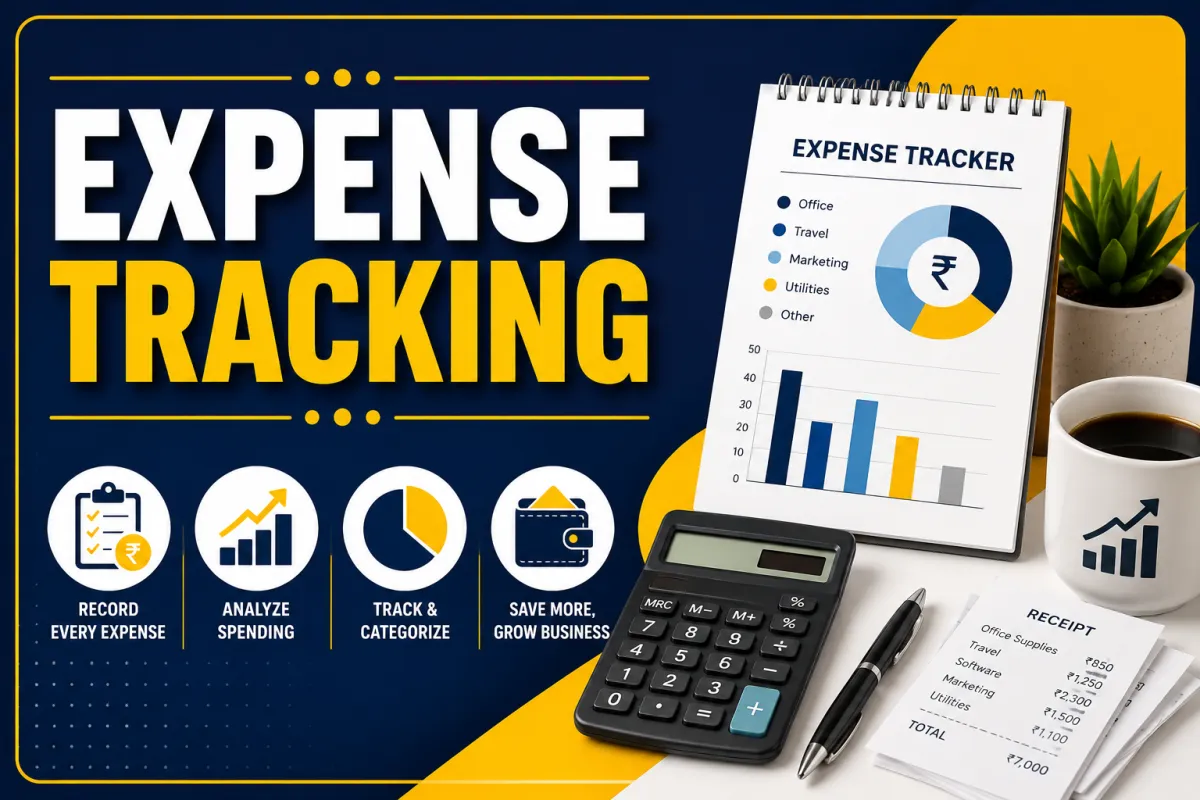
Effective expense tracking helps businesses understand where their money is going, control unnecessary costs, maintain accurate accounting records, and improve profitability. Whether you run an online store, consultancy, freelance business, or traditional company, organized expense management is essential for better financial decisions and tax compliance.

Comments (0)
Please login to comment.